
Published: July 2026
Why Does It Feel Like Your Money Disappears Every Month?
Have you ever checked your bank account a week before payday and wondered:
“Where did all my money go?”
You’re earning more than you ever have. You have a steady job, pay your bills on time, and aren’t making extravagant purchases. Yet somehow, saving money feels nearly impossible.
If this sounds familiar, you’re not alone.
Millions of young adults are experiencing the same financial frustration. While budgeting mistakes can contribute, the reality is more complicated. Rising living costs, lifestyle inflation, and everyday spending habits are making it harder than ever to build wealth.
In this article, you’ll learn the seven biggest money traps keeping many young professionals broke—and practical strategies to escape them.
1. Lifestyle Inflation: The Raise That Doesn’t Make You Rich

One of the biggest reasons people struggle financially is lifestyle inflation.
Lifestyle inflation happens when your spending increases every time your income increases.
For example:
- Upgrading to a luxury apartment
- Financing a newer vehicle
- Dining out more often
- Purchasing the newest technology
- Paying for premium subscription services
While none of these choices are necessarily bad, together they create a lifestyle that absorbs every dollar of your raise.
Instead of becoming wealthier, your monthly expenses simply become larger.
How to Avoid Lifestyle Inflation
Whenever your income increases, try following the 50% Rule:
- Save or invest 50% of every raise.
- Use the remaining 50% to improve your lifestyle.
This simple habit allows your wealth to grow alongside your income.
2. Inflation Is Quietly Reducing Your Purchasing Power

One of the biggest financial challenges today is inflation.
Even if your salary has increased, everyday necessities may have become significantly more expensive.
Common expenses affected include:
- Groceries
- Rent
- Utilities
- Fuel
- Insurance
- Healthcare
When prices rise faster than income, your purchasing power declines.
This is one reason many people feel poorer despite earning more money.
3. Housing Costs Are Consuming Larger Portions of Income

For many young adults, housing is the single largest monthly expense.
Whether you’re renting or trying to purchase your first home, housing costs have increased dramatically in many areas.
As housing consumes more of your paycheck:
- Saving becomes harder.
- Emergency funds grow more slowly.
- Investing is often postponed.
- Financial stress increases.
This isn’t simply a budgeting problem—it’s an economic reality many people face today.
4. Hidden Monthly Expenses Are Draining Your Budget
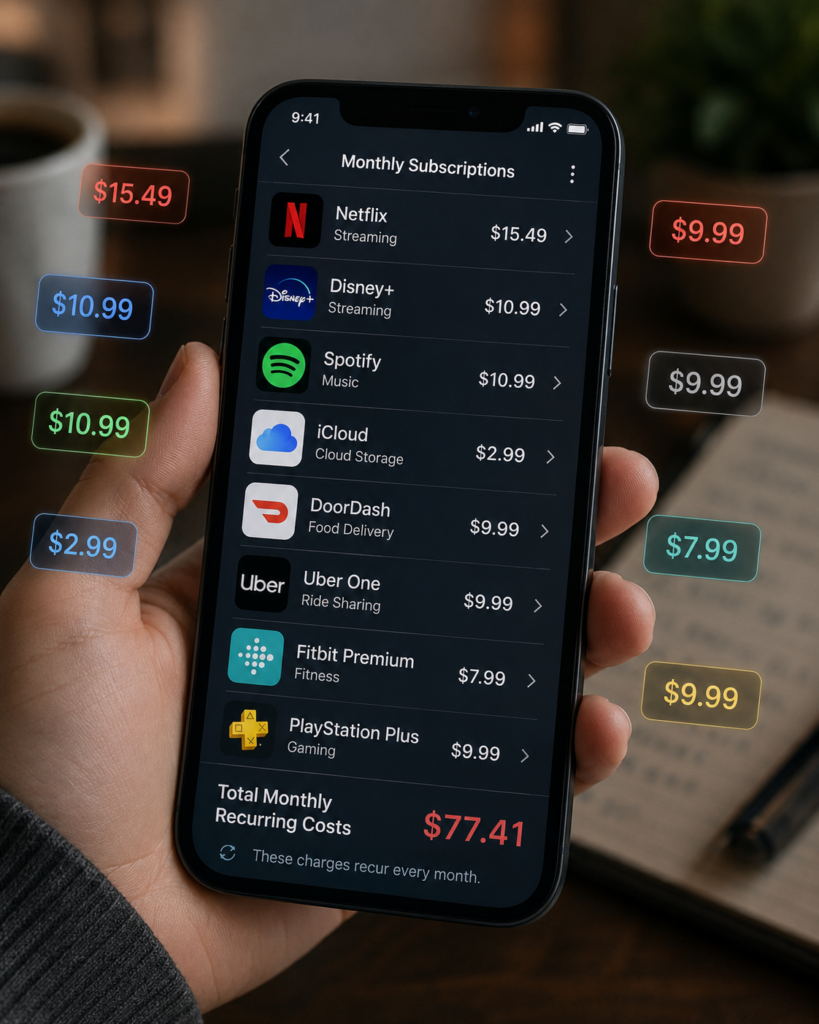
Many people underestimate the impact of recurring monthly expenses.
Individually, these subscriptions seem inexpensive.
Together, they can cost hundreds of dollars every month.
Examples include:
- Video streaming
- Music streaming
- Cloud storage
- Meal delivery memberships
- Ride-sharing subscriptions
- Gaming services
- Premium mobile apps
Quick Money-Saving Tip
Review your bank statement from the past three months.
Cancel any subscription you haven’t used recently.
Many people immediately free up $50–$200 per month without changing their lifestyle significantly.
5. Social Media Encourages More Spending Than You Realize

Social media has transformed the way people spend money.
Every day, we’re exposed to influencers promoting:
- Designer fashion
- Luxury vacations
- New smartphones
- High-end restaurants
- Home renovations
- Beauty products
What you rarely see are:
- Credit card debt
- Loans
- Sponsorship deals
- Financial stress
Comparing your everyday life to someone else’s highlight reel often leads to unnecessary spending.
6. Convenience Comes at a Price

Today’s technology makes spending effortless.
With just one tap, you can:
- Order dinner
- Book transportation
- Buy clothing
- Upgrade subscriptions
- Finance electronics
Convenience saves time—but it often costs far more than we realize.
Small daily purchases may seem insignificant, yet they add up quickly over months and years.
7. Building Wealth Looks Different Than Looking Wealthy

One of the biggest misconceptions about money is confusing appearance with financial security.
People who appear wealthy may have:
- Large loans
- Credit card debt
- Expensive monthly payments
Meanwhile, people quietly building wealth often:
- Invest regularly
- Live below their means
- Avoid unnecessary debt
- Maintain emergency savings
- Think long term
Real wealth isn’t always visible.
5 Practical Ways to Take Control of Your Money

You don’t need a six-figure salary to improve your finances.
Start with these practical habits:
1. Track Every Expense
Knowing where your money goes is the first step toward controlling it.
2. Automate Your Savings
Set up automatic transfers into a savings or investment account immediately after payday.
3. Build an Emergency Fund
Aim to save three to six months of essential living expenses over time.
4. Review Your Monthly Subscriptions
Cancel services that no longer provide value.
5. Invest Early
The sooner you begin investing, the more time compound growth has to work in your favor.
Frequently Asked Questions
Why do young adults feel broke despite earning good salaries?
Many young adults face rising housing costs, inflation, lifestyle inflation, recurring subscription expenses, and increased everyday living costs that reduce their ability to save.
What is lifestyle inflation?
Lifestyle inflation occurs when spending increases alongside income, preventing long-term wealth from growing.
How can I stop living paycheck to paycheck?
Track your spending, reduce unnecessary recurring expenses, build an emergency fund, automate savings, and avoid increasing your lifestyle every time your income grows.
Final Thoughts

Feeling broke doesn’t necessarily mean you’re bad with money.
Today’s economy presents real financial challenges, but understanding where your money goes gives you the power to make better decisions.
Building wealth isn’t about earning the biggest paycheck.
It’s about consistently making smart financial choices, avoiding unnecessary lifestyle inflation, and investing in your future one step at a time.
The journey to financial freedom begins with a single decision—and the best time to start is today.